What is Roof Sheathing?
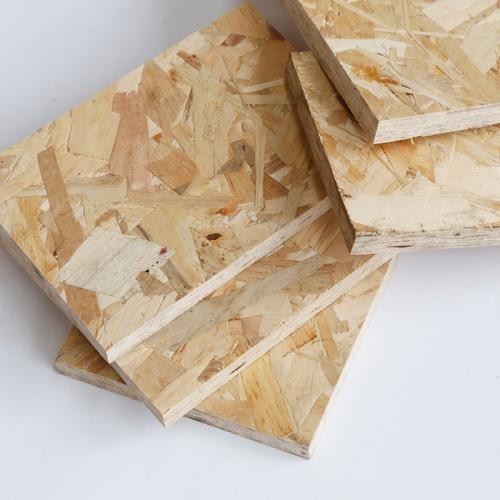
Roof sheathing is the solid surface below your exterior material, whether it’s shingles, metal, or another type of covering. It is most often OSB – a type of particle board – or plywood. In the past, roof substrate was simply dimensional lumber but today’s options are cheaper and easier to install.
The function of sheathing is to provide a smooth, flat, and solid surface for the roofing material to attach to with nails or screws. It also serves as a secondary barrier between your house and the roofing material in keeping water out and heat in, to some extent.
Sheathing is not meant to be a moisture barrier or vapor barrier primarily. You put underlayment on top of the roof deck to act as a moisture barrier, and your primary vapor barrier will bein your attic, not beneath your shingles or other outer layer.
The thickness of your roof sheathing is important. Thicker panels will result in a more solid roof deck and resist bowing between the rafters or trusses. Less bowing means a more secure surface for roofing material, improving the longevity of your roof.
Types of Roof Sheathing
There are many different types of roof sheathing, the main ones are:
OSB (oriented strand board) – uses adhesives compressed with layers of wood chips that alternate direction between each layer
Plywood – compresses large, ultra-thin sheets of wood into a sandwich using adhesives and heat to form one board
Dimensional Lumber – an older way to sheath a house, in which tongue and groove lumber was frequently used or 1” lumber butting up against one another
Today the most common types of sheathing are plywood or strand board. Plywood is more expensive but slightly stronger. Dimensional lumber is not used because it would be much more expensive and provides a lesser surface for nails or screws due to gaps between all the boards.
Many builders who are redoing a roof that has original dimensional lumber as a roof deck will put plywood or OSB over the top before finishing the roof with new roofing material as it is simply a more reliable substrate than many pieces of lumber on end.
What’s Better for Roofing: OSB or Plywood?
OSB is the better option for roof decking because it is cheaper and comes in a wider variety of larger sizes than plywood. Strand board does not react as well to moisture as plywood does, but it will have a more consistent thickness and fewer weak spots – like knots – than plywood.
If you are concerned about moisture getting into your sheathing, then plywood may be a better option. Plywood dries much faster than OSB because it is not as dense. There are usually only several layers of plywood per sheet while there are up to 50 layers of wood chips in a sheet of strand board, plus much more adhesive than a sheet of ply.
Since there are so many layers in OSB it is somewhat heavier than plywood. It takes water longer to penetrate it, but once it gets into the sheet then it takes a much longer time to dry. A board that stays wet longer is prone to sagging, which is why strand board tends to sag over time on many homes.
Finally, if you are going to sheath a shed that isn’t heated, then OSB would definitely be a better option, provided you install the roofing material properly. There won’t be any condensation issues, so your roof deck is liable to stay dry. In that case, strand board is best instead of plywood.