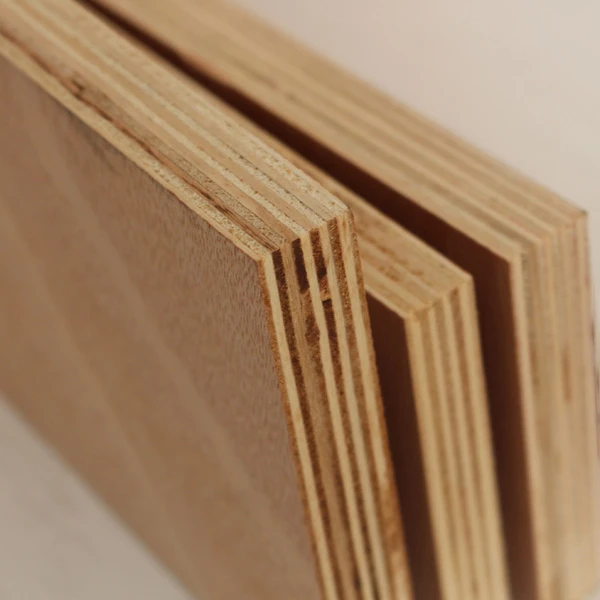
Plywood, one of the most common construction materials, is made by bonding thin layers of wood veneers together with adhesives or glues. Among the various types of adhesives used in plywood production, synthetic resins such as urea-formaldehyde (UF), phenol-formaldehyde (PF), and melamine-urea-formaldehyde (MUF) are widely used due to their excellent properties.
UF resin, the most commonly used adhesive in plywood, is known for its affordability, fast curing time and good adhesion properties. It is suitable for use in interior applications where moisture levels are not high. However, it has a relatively lower water resistance and might not be suitable for outdoor applications.
PF resin, on the other hand, is ideal for exterior applications as it exhibits excellent water resistance, durability, and strength. It is more expensive than UF resin but is preferred by many manufacturers due to its superior quality and performance.
MUF resin, a combination of UF and melamine resins, is widely used for applications that require high heat and moisture resistance, such as in marine environments and kitchen cabinets. It offers good performance at a reasonable cost.
In summary, the adhesive used in plywood production plays a vital role in determining the quality and performance of the final product. By choosing the right adhesive for the application, manufacturers can ensure that the plywood will meet the desired specifications and requirements. With the wide range of adhesives available, it is important to understand their properties to ensure that they are suitable for the intended use. Overall, the modern technology of adhesives has helped improve the quality and durability of plywood, making it an essential material for many construction projects.