Is Plywood Environmentally Friendly?
If you’re an environmentally conscious person, you’ll be curious about plywood’s effect on the environment. Well, it’s simple! Plywood is one of the most eco-friendly materials. We’ll break it down from its production process, down to its use cases, and finally, its disposal methods; all these are what make a material environmentally friendly or not.
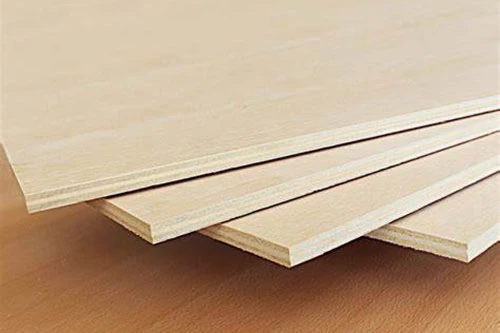
Now, let’s get into it. Plywood is derived from trees, or wood, as we can imply from its name. It’s simply wood that’s attached with formaldehyde adhesive to form a strong building material. Plywood can last for hundreds of years, and the museums that have archaic ones can attest to this.
Plywood can be made from hardwood or softwood, and each type is useful for particular purposes. However, creating plywood entails deforestation, and a decrease in our trees contributes to the depletion of the ozone layer. But of course, trees are renewable resources, and we can fix deforestation with ease.
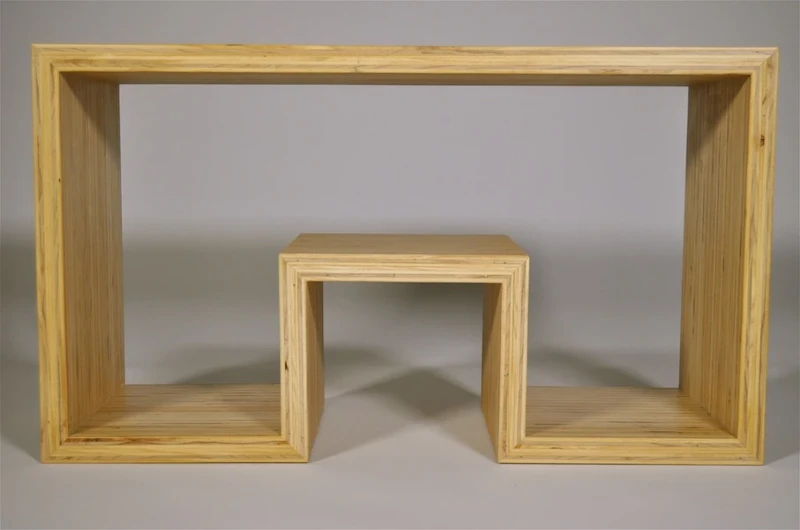
Softwood, however, has a fast growth rate. Hence, even when we chop down a considerable number of trees to make plywood, we’re certain that more trees will replace them within the shortest possible time.
Hardwood trees like birch also grow relatively fast and are in abundance in certain parts of the globe. Thus, even when deforestation is still in question, plywood production leaves no long-term environmental threats.
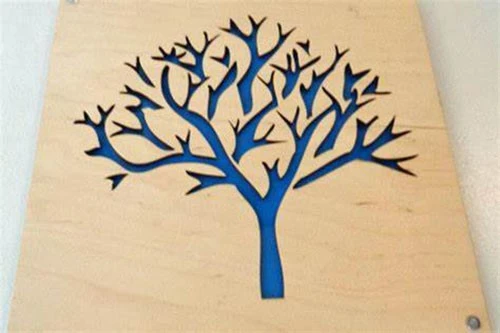
Plywood is also made from thin veneers of wood. This means that it consumes relatively less wood than other wooden materials. Formaldehyde adhesive is the bond between these thin veneers of wood, and plywood also gets its solid features from this.
On the other hand, this is a lesser evil in that the production process for plywood consumes little to no energy. It’s a simple process that entails sawing the wood into sizable pieces and attaching them to make them stronger.
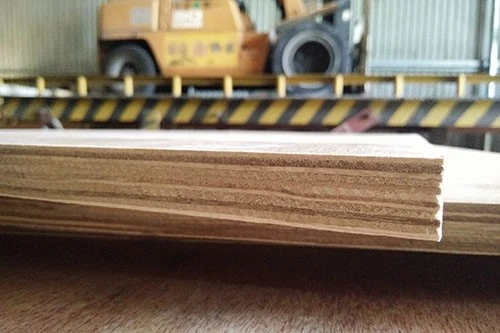
Consuming plywood, on the other hand, is perfectly safe for the environment. It doesn’t release any toxic gases and can last a very long time. In addition, this helps us cut back on deforestation, as you can recycle old plywood.
Now, regarding the disposal method, we mentioned it already. You can recycle plywood; some curbside recycling centers accept it, and even if yours doesn’t, you can take the unwanted wood to a wood recycling company. It’s effortless to find one.
However, we suggest that you endeavor to get as many uses as you can from your old plywood before taking it to the recycling center.