Interior plywood is a form of plywood specially designed to use indoors. It is not weather-resistant, hence cannot be exposed to the elements for a long time. As compared to exterior plywood, although you cannot use interior plywood outdoors, exterior plywood is often used indoors.
If you need plywood to make indoor furniture, cabinets, and flooring, you will use interior plywood. However, if the flooring is likely to contact water regularly, like the flooring of a bathroom, kitchen, or laundry room, you should use exterior plywood.
The layers of interior plywood are bonded together with urea-formaldehyde (UF). Interior plywood is not as strong as exterior plywood but is less costly. Although interior plywood does not exhibit water-resistant properties, you can protect it from moisture by fixing a laminate onto its outer surfaces.
Grades of Interior Plywood
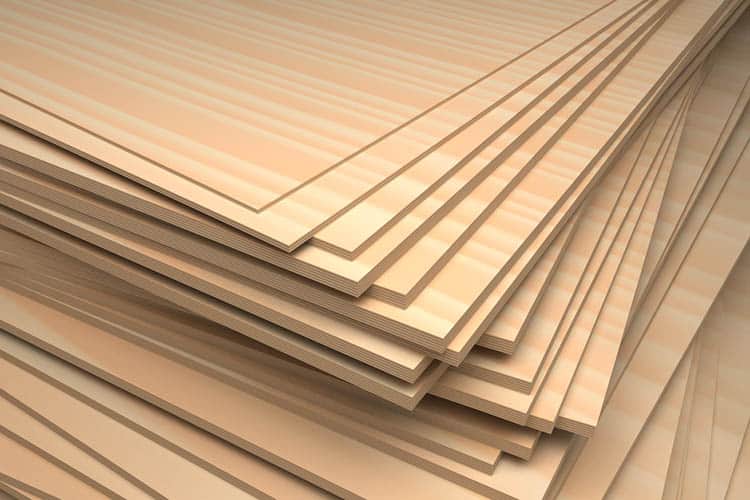
Different grades of interior plywood are available in the market. You can procure each type depending on what you intend to do with it. The price of the plywood will also vary depending on the grade. Using different glue grades and treating the plywood with chemicals, we can produce other plywood qualities.
For instance, you can get MR-grade interior plywood that has a certain level of moisture resistance. But this type of interior plywood will not last long in bathrooms and kitchens. Then, comes boiling water-resistant (BWR) plywood. We also call this grade marine plywood. It has extra resistance to water and tolerance to high temperatures.
The quality of interior plywood can also depend on the ply layers’ thickness – thinner ply layers make better plywood. So even within the category of interior plywood, you need to know the different grades. When you have to procure interior grade plywood, get relevant information from the trader for procuring the quality of interior plywood best-suited to your requirements.
Interior Plywood: What to Look For
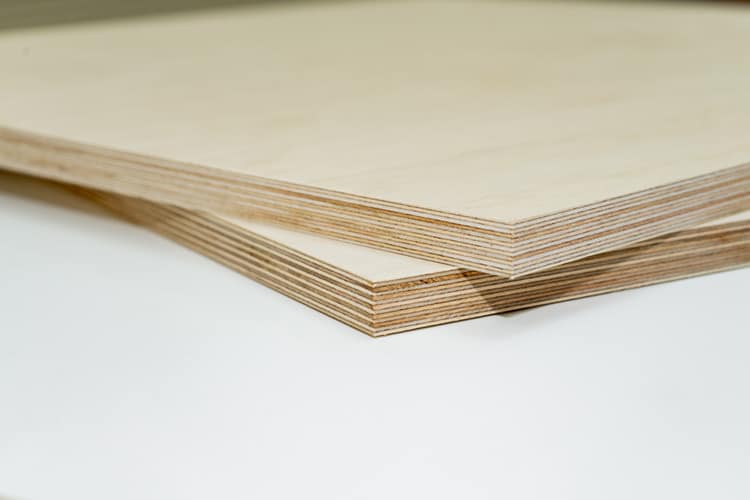
When you procure plywood for use on interiors, the primary factor would probably be budget. The different grades of plywood come at different prices.
You need to consider other things before you decide on the plywood you want to buy. Here are a few things you might like to look out for:
Design
Many manufacturers offer a variety of patterns and textures. It increases the scope of the different ways that you can use interior plywood.
Features
Plywood also comes with different features to suit specific requirements. You can get some very high-end interior plywood that will cost a lot but will be of premium quality. The quality of wood that goes into the manufacturing of the plywood also varies. Hence, you would do well to verify that aspect, which can impact the durability of the plywood in the long run.
Treatment
You can also ask the trader about the specific treatment processes of the plywood. The information will tell you about the durability of the plywood. For instance, ensuring that plywood is treated for termites is a good feature.
Accreditation
Pay particular attention to the accreditations and certifications of the plywood. You should always look for the Forest Stewardship Council® (FSC) logo on the plywood. It ensures that the wood for manufacturing the plywood comes from responsibly managed forests. FSC is a global certification.
You can also look for the Programme for the Endorsement of Forest Certification (PEFC) logo. If you are unsure of some of the symbols and stampings on the plywood, ask the trader. It gives you a better insight into the plywood that you finally procure.
Uses of Interior Plywood
You can use interior plywood on walls, ceilings, and on furniture and cabinets. We can apply paint or a wood veneer to plywood or leave it bare. It all boils down to individual preferences. Here are some of the ways you can use interior plywood in a home or office:
Shelves
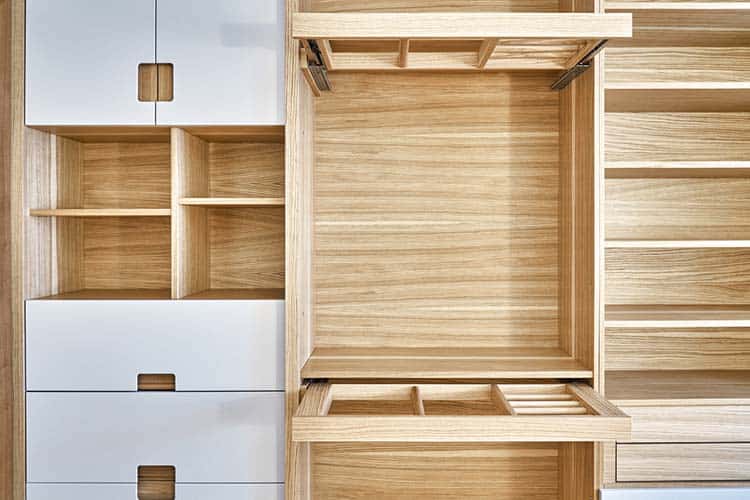
Plywood as shelves look stylish and modern and also save space. With space in urban dwellings going at a premium, it is a precious asset to consider. You can make shelves to hold pictures, figurines, ornaments, and other decorative items. Plywood doesn’t serve very well for bookshelves because it tends to sag with the weight of the books. However, if the shelves aren’t very long, then you can use them for books.
Kitchen Cabinets
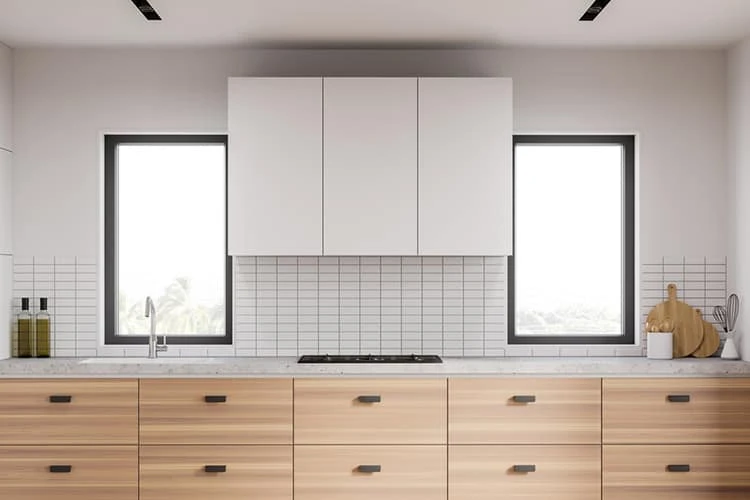
Kitchen cabinets are highly customized structures that take a great deal of time and expertise, not to mention expensive materials. Plywood is a highly cost-effective solution for making kitchen cabinets at a fraction of solid wood cost. There are many advantages of using plywood in preference to solid wood, like water resistance, heat resistance, and less tendency to distort due to variations in temperature and humidity.
Headboards
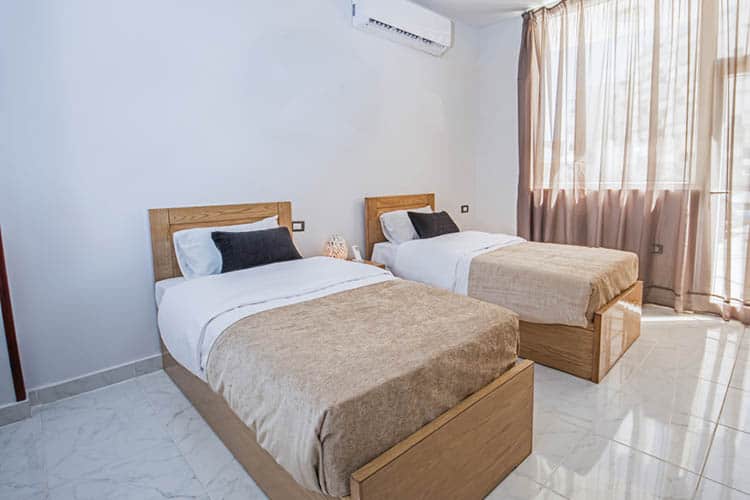
Even if you have an ornate bed made of solid wood, you can make the headboard from plywood. The natural wood color will be eye-catching. If you want a more wood-like finish, you can cover it with a wood veneer to add class to the headboard. You can even wrap it with fabric.
Walls and Ceilings
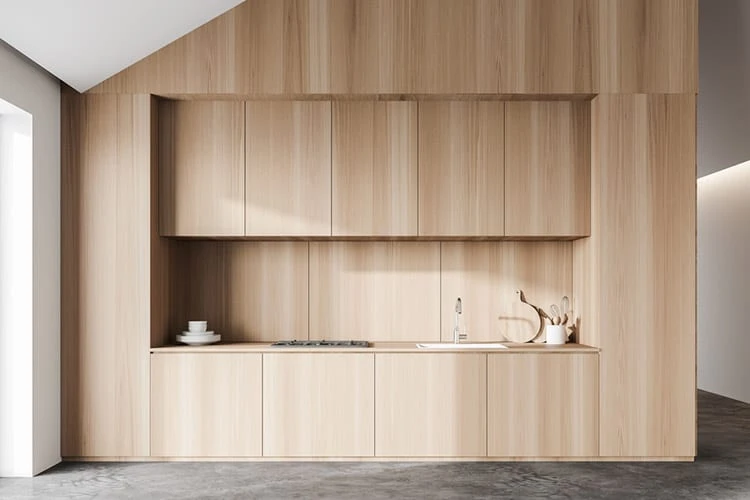
You can create cost-effectively refined and stylish interior designs with plywood. Once created, plywood panels look great on the walls of bathrooms, kitchens, bedrooms, and any other room in the house. You can also build some great-looking false ceilings with interior plywood panels.
The yellowish hue of plywood imparts a warm ambiance to a living space. You can use and reuse plywood panels easily. The concept of plywood panels emerged in the 20th century and experiences great popularity even today.
Conclusion
Using plywood for interior furniture and décor is all too easily rejected by many woodworkers. But the experienced woodworker will have a good idea of how to use this versatile material in various areas of a home.