

Plywood is one of the most versatile materials used in construction. Besides the fact that plywood is a strong and durable material, it is also relatively cheaper compared to other similar wooden boards.
However, for the plywood to stay in great shape for a long time, we need the right plywood finish. Knowing the right type of finish will help prevent surface checking or cracking and will ensure long-term durability and performance.
Exterior Plywood Finishes
Painting – Painting is one of the most common finishes on plywood. Not only does it make the plywood more durable against harsh weather elements, it can also give the exterior colour option. After sanding down the board, apply a primer and let that dry completely. After which you can apply the paint of your choice. Once this is all done, you can apply a coat of polyurethane sealer over the entire board.
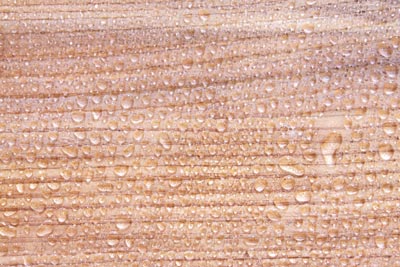 Water Repellent Coat – Water repellent coatings are solvent mixtures from mineral spirits, paint thinners, wax, or drying oil. This type of coating only penetrates the wood and does not contain any colouring pigments so the surface will retain its natural wood colour and grains.
The Water Repellent mixture is best applied when the plywood is dipped into it. A plywood treated effectively with water repellent coating should effectively prevent water from being absorbed by the wood.
Tip: Edge sealing in exterior plywood is a great way to lessen the moisture uptake. Surface checking and paint breakdown are more common on horizontal surfaces than verticle ones. If you are planning to paint the exterior plywood, keep in mind that oil-based and alkyd enamel paint are not recommended for exterior plywood as they are unsuitable for the outside elements.
Interior Plywood Finishes
There are numerous options that you can do when it comes to interior plywood. Chief among them are clear finishing, staining, and painting. However, before doing any of this, make sure that the plywood is dry. After which, clean, smoothen, and ensure that the plywood is wax free.
Be careful not to use any high gloss finish in your interior plywood. This will further highlight the imperfections and beat marks of the surface. With that, here are the other types of interior plywood finishes:
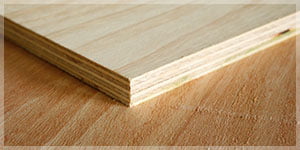 High Density Overlay or HDO – This is the most popular type of overlay. High Density Overlay is normally bonded to the plywood using a hot press for concrete formwork. This gives the overlay a lot of face veneer protection and smoothness to the poured concrete surface.
Medium Density Overlay – Medium Density Overlay or MDO paper is bonded during the manufacturing of the plywood. It is normally a layer of phenolic resin impregnated fibrous paper and makes the plywood surface a top painting surface.
Metal Overlays – This is done through attaching certain metals to the plywood with a strong adhesive. Common metals used in this bonding are copper, aluminium, stainless steel, and mild steel.
Fibreglass Overlays – Fibreglass Overlays are usually used when wood materials are used to contain certain liquids. It is quite easy to apply and have plenty of specialised uses. Liquid storage tanks made of plywood normally have fibreglass overlays. Another practical use for Fiberglass Overlay is waterproofing ships and boats.
Lead-Filled Plywood – Lead filled plywood is the top choice when you are in need of soundproof linings as well as protection from radiation.
Fibre Cement Sheet Overlays – Plywood with Fibre Cement Sheet Overlays is a must when you need some fire resistance. The process normally requires immense heat and pressure to create a chemical reaction between the silica and the cement to form fibre cement composites.
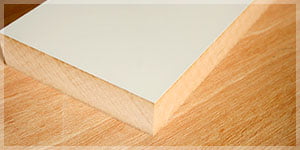 Decorative Overlays – Decorative Overlays normally combines aesthetic and durability. A typical material used in decorative overlays are vinyl, DAP, and melamine.

