

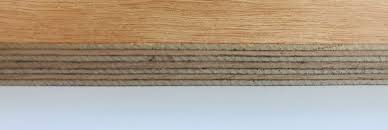
Plywood is a versatile and widely used engineered wood product, valued for its strength, durability, and adaptability. At the heart of its performance lies the adhesive that bonds the layers of veneers together. The type of adhesive used determines the plywood's resistance to moisture, heat, and environmental stressors, as well as its suitability for specific applications. In this blog, we'll explore the classification of plywood adhesives to help you understand their differences and choose the right one for your project.
1. Urea-Formaldehyde (UF) Adhesives
Characteristics:
Cost-effective and widely used.
Offers strong initial bonding strength.
Releases low levels of formaldehyde (though not entirely formaldehyde-free).
Applications:
Interior-grade plywood (e.g., furniture, cabinetry).
Not suitable for moisture-prone environments.
Limitations:
Poor water and heat resistance.
May emit volatile organic compounds (VOCs).
2. Phenol-Formaldehyde (PF) Adhesives
Characteristics:
High durability and water resistance.
Dark-colored glue line (visible on plywood edges).
Releases higher formaldehyde levels during curing but stabilizes afterward.
Applications:
Exterior-grade and marine plywood.
Ideal for outdoor structures, boats, and wet environments.
Advantages:
Superior weather and temperature resistance.
3. Melamine-Formaldehyde (MF) Adhesives
Characteristics:
Enhanced moisture and heat resistance compared to UF adhesives.
Produces a clear or light-colored bond line.
Applications:
Decorative plywood (e.g., laminates, veneers).
Used in furniture requiring a polished finish.
Limitations:
More expensive than UF adhesives.
Moderate formaldehyde emissions.
4. Polyurethane (PU) Adhesives
Characteristics:
Formaldehyde-free and eco-friendly.
Excellent flexibility and water resistance.
Bonds well with diverse materials (wood, metals, plastics).
Applications:
Interior and exterior plywood (depending on formulation).
Popular in eco-conscious projects and green building certifications.
Advantages:
Low VOC emissions; complies with strict environmental standards.
5. Soy-Based and Bio-Adhesives
Characteristics:
Made from renewable resources (e.g., soybean protein).
Non-toxic and biodegradable.
Emerging as sustainable alternatives.
Applications:
Eco-friendly plywood for interiors.
Experimental use in exterior applications (research ongoing).
Challenges:
Currently less durable than synthetic adhesives.
Higher cost due to limited production scale.
6. Emulsion Polymer Isocyanate (EPI) Adhesives
Characteristics:
Combines water-based polymers with isocyanate hardeners.
Offers strong, waterproof bonds.
Low formaldehyde emissions.
Applications:
Structural plywood (e.g., flooring, beams).
Used in high-humidity areas like bathrooms and kitchens.
Key Factors in Choosing Plywood Adhesives
Environment: Indoor vs. outdoor use (water resistance requirements).
Regulations: Compliance with formaldehyde emission standards (e.g., CARB Phase 2, E0/E1 ratings).
Sustainability: Preference for bio-based or low-VOC options.
Cost: Balancing budget with performance needs.
Conclusion
Understanding plywood adhesives is crucial for selecting the right material for durability, safety, and environmental impact. While traditional formaldehyde-based adhesives dominate the market, innovations in polyurethane and bio-adhesives are paving the way for greener alternatives. Always check adhesive certifications and manufacturer specifications to ensure your plywood meets the demands of your project!

